
How to Choose Wholesale Custom Apparel Manufacturing Services
1. Introduction to Custom Apparel Manufacturing
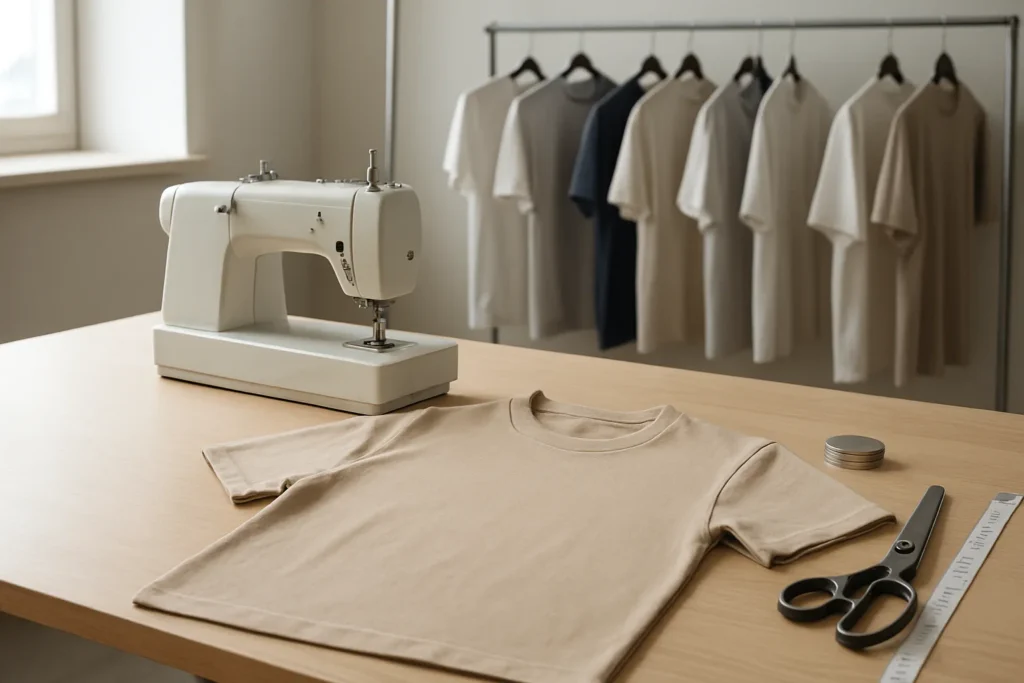
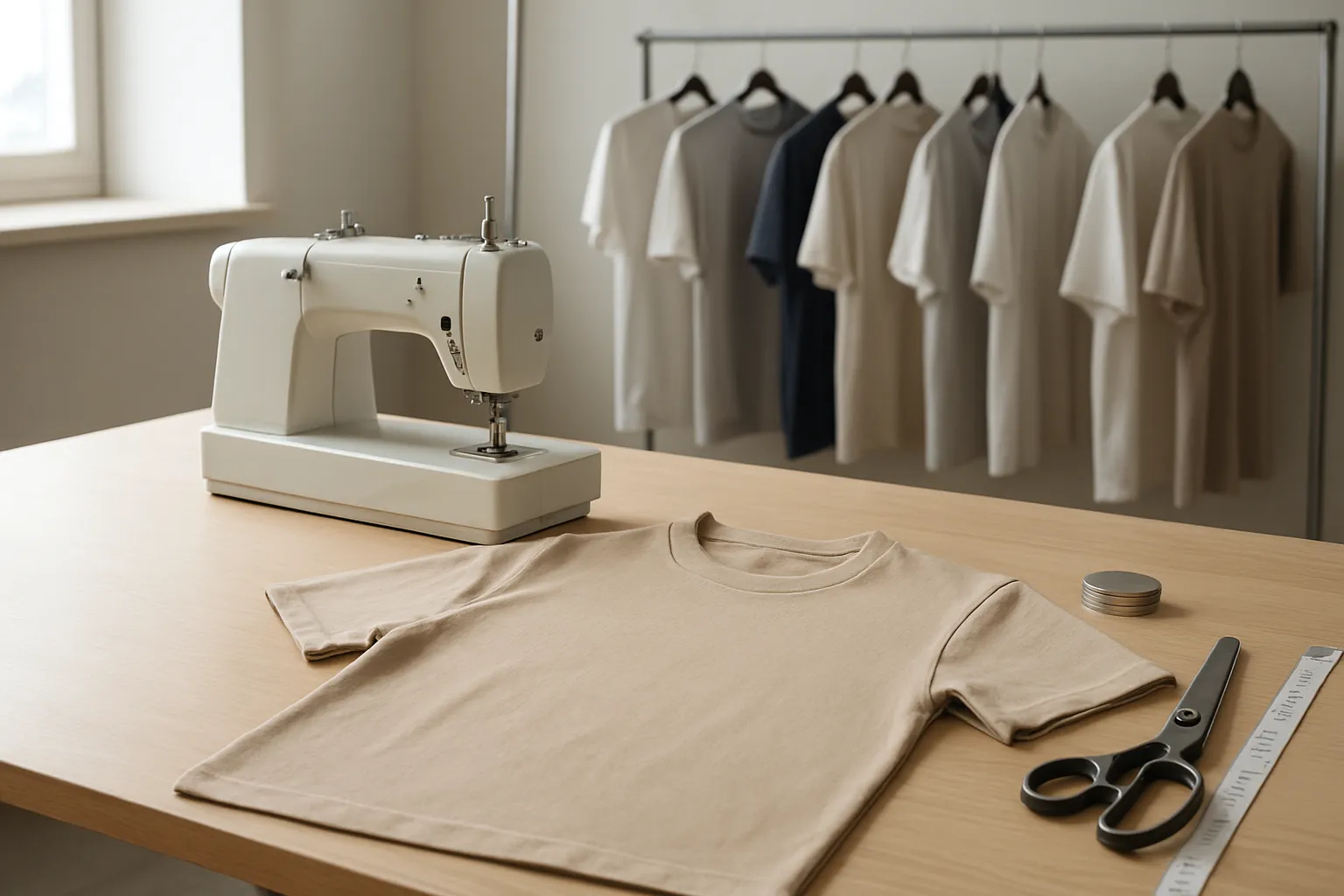
Custom apparel manufacturing is the art of creating clothing items tailored to specific designs, sizes, and materials based on client requirements. This service plays a crucial role for wholesale clothing businesses looking to stand out in a competitive marketplace by offering unique apparel that resonates with their target audiences. I believe that customization not only strengthens brand identity but also enables businesses to cater effectively to niche markets, ensuring their offerings truly shine.
2. Key Specifications to Consider
When selecting a custom apparel manufacturing service, wholesale clothing suppliers should keep several key specifications in mind:
- Material Options: The fabric used in apparel significantly affects its quality, comfort, and durability. Suppliers should evaluate the range of materials offered by manufacturers, including cotton, polyester, blends, and sustainable options. In my experience, understanding the intended end-use of the apparel can greatly inform the choice of materials.
- Design Capabilities: A manufacturer’s ability to accommodate various design elements is crucial. This encompasses techniques such as screen printing, embroidery, sublimation, and other embellishments. A manufacturer with versatile design capabilities can help businesses create visually appealing products that align with their brand aesthetics.
- Production Capacity: Assessing the scale of production is another vital factor. Businesses should determine if the manufacturer can efficiently handle large orders, especially when planning for bulk purchases. Understanding lead times and the capability to scale production based on demand fluctuations is essential for smooth operations.
3. Use Cases for Custom Apparel
Custom apparel manufacturing serves a variety of purposes within the wholesale clothing sector:
- Retail Clothing Lines: Retailers often leverage custom manufacturing to create exclusive lines that reflect current trends and customer preferences. This strategy helps build brand loyalty and attract repeat customers.
- Promotional Merchandise: Many businesses utilize custom apparel for promotional campaigns. T-shirts, caps, and hoodies adorned with logos can enhance brand visibility and serve as effective marketing tools.
- Corporate Apparel: Companies frequently require custom uniforms or branded clothing for their employees. This not only fosters a sense of belonging among staff but also projects a professional image to clients and customers.
4. Comparing Custom Apparel Manufacturing Services
When evaluating different custom apparel manufacturing services, businesses should consider:
- Pricing Structures: Understanding the cost implications of manufacturing is essential for effective budgeting. Compare pricing models among suppliers, including per-unit costs, setup fees, and bulk purchase discounts. I believe that transparency in pricing can prevent misunderstandings later on.
- Quality Assurance Processes: Quality control is paramount in custom apparel manufacturing. Investigate the quality assurance measures implemented by potential suppliers, such as fabric testing, sample approvals, and compliance with industry standards. This is crucial for ensuring that the final products meet expectations.
- Turnaround Times: Timeliness is critical in the wholesale clothing business. Assess the turnaround times for production and delivery, particularly if you have specific launch dates or promotional timelines to meet.
5. Sourcing Custom Apparel Manufacturers
Finding the right custom apparel manufacturer involves a systematic approach:
- Researching Potential Suppliers: Begin by identifying potential suppliers through industry directories, trade shows, and online platforms. Look for manufacturers with a proven track record in custom apparel.
- Evaluating Supplier Credentials: Verify the credentials of potential manufacturers by reviewing their portfolios, customer testimonials, and certifications. This can provide valuable insights into their reliability and quality of service.
- Importance of Local vs. Overseas Manufacturing: Consider the pros and cons of local versus overseas manufacturing. Local suppliers may offer faster turnaround times and better communication, while overseas manufacturers might provide cost advantages and larger production capabilities.
6. Implementation of Custom Apparel Orders
Once you have selected a manufacturer, the process of implementing custom apparel orders begins:
- Order Placement Process: Clearly outline the order details, including quantities, sizes, colors, and design specifications. Ensuring that all parties have a mutual understanding of the order helps prevent miscommunication.
- Communication with Manufacturers: Maintain open lines of communication with the manufacturer throughout the production process. Regular updates can help address any issues that may arise and ensure the project stays on track.
- Managing Bulk Purchases: When dealing with bulk purchases, it’s crucial to establish an effective inventory management system to track stock levels and sales. This ensures that you can meet customer demand without overcommitting resources.
7. Frequently Asked Questions
- What is the Minimum Order Quantity?: Minimum order quantities can vary by manufacturer. It’s essential to clarify this upfront to ensure it aligns with your business needs.
- How to Handle Customization Requests?: Communicate specific customization requests clearly and provide visual references where possible. This helps the manufacturer accurately understand your vision.
- What are the Payment Terms?: Payment terms can differ between suppliers. Discuss and agree on payment schedules, deposit requirements, and accepted payment methods to avoid misunderstandings in the future.
Conclusion
In conclusion, choosing the right custom apparel manufacturing service is a critical decision for wholesale clothing businesses. By considering key specifications, evaluating potential suppliers, and understanding the implementation process, businesses can successfully navigate the complexities of custom apparel production. This strategic approach not only enhances product offerings but also fosters long-term relationships with suppliers, ultimately driving business growth.